

At Bella Academy, we believe dance is more than just movement — it’s strength, grace, energy, and joy. To give your young dancer the power to leap, pirouette, and shine, good nutrition is just as important as good technique.
In this post, we’ll explore why nutrient-rich foods matter, how they help dancers perform and recover, and simple tips for parents to pack healthy snacks for rehearsal days.
Why Nutrition Matters for Young Dancers
- Energy to Dance and Learn
Dancing uses a lot of energy — muscles working, heart pumping, brain remembering steps. That energy comes from the food dancers eat. Carbohydrates (from whole grains, fruits, vegetables) act like fuel for their bodies. - Strong Muscles & Bones for Jumps and Landings
Dance uses a lot of muscle work and can put impact on bones and joints — especially during jumps, pliés, and long classes. To support all that, dancers need enough protein (for muscle repair) and bone-supporting nutrients like calcium and vitamin D. With good nutrition, young dancers recover faster and build strength safely. - Focus, Mood, and Healthy Growth
For growing children — especially those dancing often — a balanced diet supports not just performance but overall health: energy levels, mood, growth, and immune system.
What to Eat: Nutrient-Rich Foods That Help Ballet Dancers Shine
Young dancers use a lot of energy — jumping, turning, stretching, remembering choreography — so their food must support both their bodies and growing brains.
Energy-Boosting Carbohydrates
Carbs are a dancer’s main source of fuel. Think of them as the “battery” that keeps your child moving gracefully from warm-up to cool-down.
Great options:
- Idlis, dosas, upma, poha – gentle on the stomach and perfect before class
- Roti/chapati, dal-chawal, khichdi – balanced, light, and nourishing
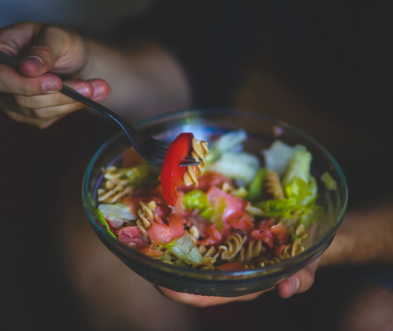
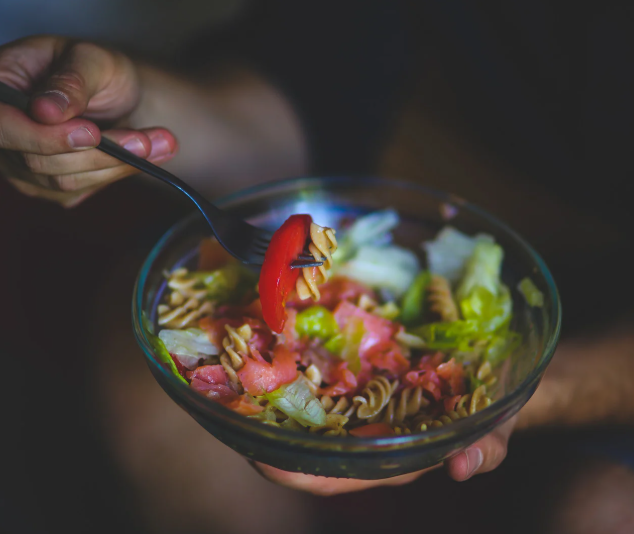
- Whole-grain bread, pasta, brown rice, quinoa – easy to prepare
- Fruits like bananas, mangoes, apples, pomegranates, and grapes
Kid-friendly tip:
Fruit before class = quick energy. A whole meal 1–2 hours before = steady energy.
Protein for Strong, Healthy Muscles
Protein helps dancers build and repair muscles — especially after long rehearsals or intense practice.
Some of our favourites:
- Dal, rajma, chole, moong, chana, curd, paneer
- Eggs (boiled, omelette, egg dosa — all great!)
- Chicken or fish for non-vegetarian families
- Tofu, hummus, Greek yogurt, nut butters, beans
Kid-friendly tip:
Protein should appear in every meal — even a small portion makes a big difference!
Healthy Fats for Balance, Brainpower & Endurance
Healthy fats keep dancers energized for longer and support joint health — very important with all the pliés and jumps.
Easy, tasty options:
- Nuts & seeds (almonds, walnuts, peanuts, pumpkin seeds)
- Avocado (simple toast works beautifully)
- Olive oil for salads or sautéing
- Ghee in moderation — a traditional favourite with powerful benefits
- Fatty fish like salmon or Indian options like rohu & hilsa
Kid-friendly tip:
A handful of nuts or a spoon of peanut butter can be a wonderful pre-class boost.
Vitamins & Minerals for Growth and Recovery
Colorful fruits and vegetables help dancers recover faster and stay strong and flexible.
Some of our favourites:
- Carrots, beets, cucumbers, spinach, methi, broccoli, tomatoes
- Seasonal fruits — papaya, watermelon, muskmelon, oranges
- Blueberries, strawberries, kiwi (fun treat foods for dancers!)
Kid-friendly tip:
The more colors on their plate, the better the nutrition.
💧 Hydration for Happy, Energized Dancers
Indian weather + active dancing = big hydration needs.
Best options:
- Water — the superhero of hydration
- Coconut water — great for electrolytes
- Buttermilk (chaas) — cooling and stomach-friendly
- Infused water (mint, lemon, fruits) for picky drinkers
Avoid sugary drinks before class — they cause an energy crash.
How Good Nutrition Helps Ballet Performance & Recovery
- More energy, less crash — with the right carbs and healthy fats, dancers feel strong through class or rehearsal instead of wearing out early.
- Muscles ready to work (and heal) — protein and nutrient-rich foods help muscles repair, reduce soreness, and support better technique.
- Stronger bones and joints — calcium, vitamin D, healthy fats and balanced meals help protect young dancers from injury, growth issues, or fatigue.
- Focus, mood, and overall well-being — a well-fed body thinks better, learns steps with ease, and keeps dancing fun and joyful.
- Faster recovery between classes — proper meals and snacks before AND after dancing help restore energy and prepare the body for the next dance day.
A Note for Parents: Simple Strategies that Work
- Plan snacks ahead of time — cut fruit, pack yogurt, keep nuts or whole-grain crackers on hand.
- Keep a water bottle ready; remind your dancer to sip often.
- Think of meals as “dance fuel” — and try to make them balanced (carbs + protein + healthy fats) whenever possible.
- Avoid long gaps without eating — especially if dance classes are right after school or early mornings.
- If you have any concerns about growth, bone health, or energy levels — don’t hesitate to talk to a pediatrician or nutritionist.
At Bella Academy, we want every child who dances with us to feel strong, happy, and proud every time they step into the studio. With good food, plenty of water, and balanced meals and snacks — your dancer will be ready to shine from plié to grand jeté.
Happy dancing — and happy fueling!
— The Bella Academy Team